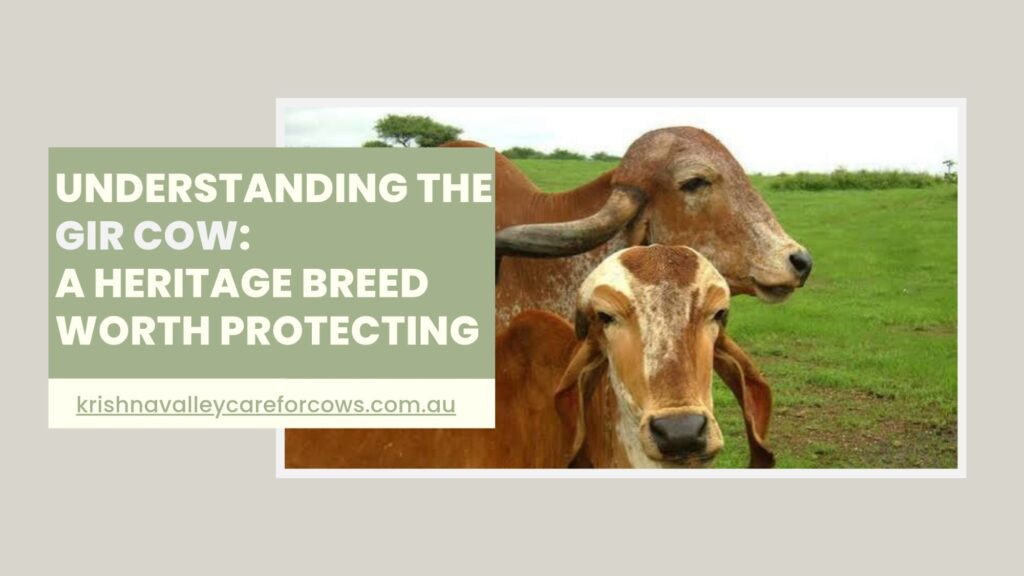
Understanding the Gir Cow: A Heritage Breed Worth Protecting
India is home to several indigenous cattle breeds, each with its own history, characteristics and cultural significance. Among them, the Gir cow is one of the most recognised breeds, known for its distinctive appearance and connection to traditional Indian agriculture.
At Krishna Valley Care for Cows, protecting cows is about more than providing shelter. It is also about understanding their individual needs and appreciating the heritage associated with different cattle breeds.
Where Does the Gir Cow Come From?
The Gir cow originates from the Gir region of Gujarat, India. It is an indigenous cattle breed that has been valued by farming communities for generations.
The breed is recognised for its adaptability and distinctive physical features.
Over time, Gir cattle have also become known internationally, with populations established in different parts of the world.
What Makes the Gir Cow Unique?
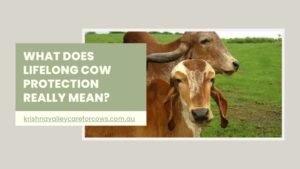
Gir cows have several recognisable physical characteristics that distinguish them from other cattle breeds.
Some of their common features include:
Distinctive Ears: Long, curved and pendulous ears.
Forehead: A prominent, rounded forehead.
Coat Colour: Often reddish, white or a combination of different coat patterns.
Horns: Typically curved outwards and backwards.
Body Structure: A strong and well-developed body.
These features make the Gir breed particularly recognisable.
The Cultural Importance of Indigenous Cattle
Cattle have played an important role in traditional Indian agriculture and rural communities.
They have historically been connected with farming practices, household life, nourishment and cultural traditions.
In many Indian spiritual traditions, cows are also regarded with deep respect and are associated with kindness, generosity and nourishment.
Understanding this cultural connection helps us appreciate why cow protection continues to hold significance for many communities.
Why Is Protecting Cattle Heritage Important?
Protecting indigenous cattle breeds involves recognising their history and understanding their needs.
Responsible animal care should include suitable nutrition, comfortable living conditions, veterinary attention and protection throughout an animal’s life.
Preserving cattle heritage is not simply about maintaining a particular appearance or breed. It also involves respecting the animals themselves.
Krishna Valley’s Commitment to Cow Protection
Krishna Valley Care for Cows is a sanctuary in Bambra, Victoria, dedicated to protecting cows, calves and bulls throughout their natural lives.
Its approach focuses on compassion, lifetime care, veterinary wellness and respectful treatment of animals.
By creating an environment where cows are valued as living beings, Krishna Valley encourages people to learn more about cow protection and responsible animal care.
Discover the Beauty of Cow Heritage
Every cattle breed has its own story, and the Gir cow is an important part of India’s indigenous cattle heritage.
Learning about these animals helps us appreciate their characteristics, cultural importance and the responsibility involved in protecting them.
Preserving heritage begins with understanding, respect and compassionate care.
Discover more about the cows and their stories at Krishna Valley Care for Cows.