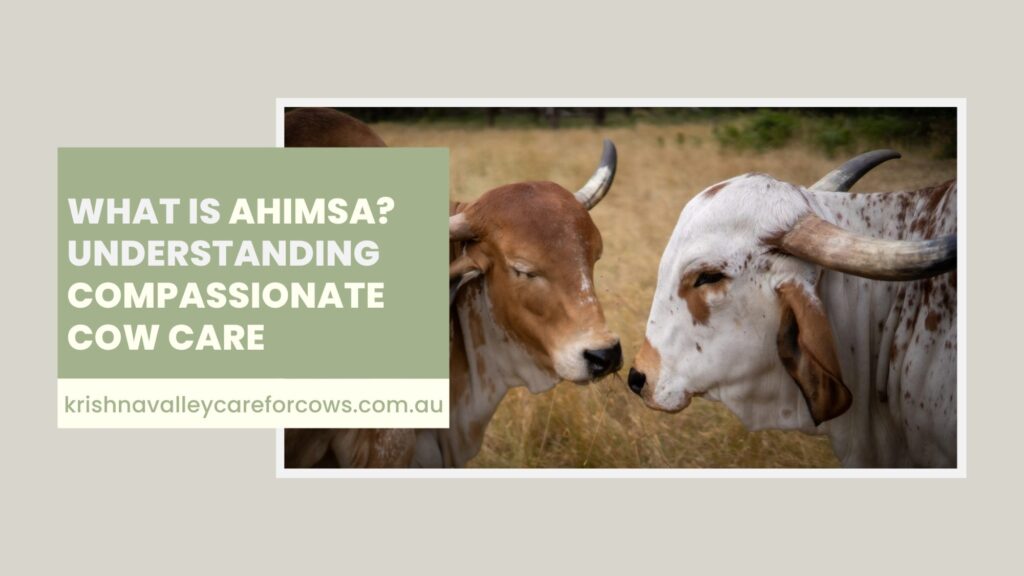
Compassion is often understood as a feeling, but what happens when it becomes a daily responsibility?
In the Vedic tradition, the principle of ahimsa offers one answer. Commonly translated as non-violence, ahimsa encourages people to avoid causing harm and to cultivate greater respect for living beings.
When applied to cow protection, this principle invites a different way of thinking about the relationship between humans and animals. It asks us to look beyond what an animal can provide and consider the care, security and dignity it deserves.
What Does Ahimsa Mean?
Ahimsa is a Sanskrit term associated with non-violence and non-harming. It is an important principle in several Indian philosophical and spiritual traditions.
In everyday life, ahimsa can inspire people to approach others with greater patience, consider the consequences of their choices and act with compassion rather than indifference.
In the context of animal care, it encourages thoughtful decisions about an animal’s living conditions, health, treatment and long-term welfare.
Ahimsa is not only about avoiding deliberate harm. It can also involve taking positive responsibility for the wellbeing of living beings.
How Does Ahimsa Apply to Cow Protection?
Cow protection is a practical expression of ahimsa within the Vedic tradition.
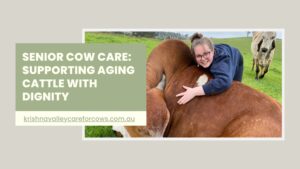
Rather than treating cows as disposable when they grow older or become less productive, a lifelong protection model commits to their care throughout their natural lives.
This commitment involves ongoing work, including:
Providing appropriate food, water and shelter.
Monitoring health and arranging veterinary attention.
Maintaining safe and suitable living environments.
Caring for calves and respecting the mother-calf bond.
Continuing to provide for older cows.
These responsibilities require time, resources and consistent attention. Compassion becomes meaningful when it is supported by practical action.
Krishna Valley Care for Cows: Ahimsa in Practice
At Krishna Valley Care for Cows in Bambra, Victoria, ahimsa is a central part of the sanctuary’s philosophy.
The organisation states that its cows, calves and bulls are protected for life and are never sold or slaughtered. Its care approach includes feeding calves before milking, gentle handling and regular veterinary health checks.
This approach reflects the belief that an animal’s worth extends beyond its productivity.
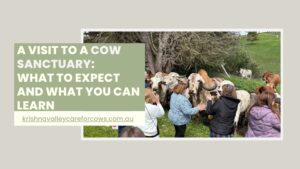
The sanctuary also creates opportunities for visitors to learn about cow protection, conscious living and the relationship between compassion and service.
What Is the Difference Between Cow Protection and Conventional Dairy Farming?
Dairy systems vary considerably, so it is important not to assume that every farm follows the same practices.
A cow-protection sanctuary that commits to lifelong care has a different central objective from a system primarily organised around milk production.
In Krishna Valley’s model, the stated priorities include lifelong protection, calf-first milking and continued care for cows after they stop producing milk.
Understanding these differences can help people ask more informed questions about where food comes from and how animals are treated.
When evaluating any dairy or animal-care organisation, look for clear information about calf management, health care, living conditions and what happens to animals when their productive years end.
Can Ahimsa Influence Everyday Choices?
You do not need to work on a farm or live at a sanctuary to explore ahimsa.
You can begin by learning about animal welfare, making thoughtful consumer choices, reducing unnecessary harm and treating animals with patience and respect.
Volunteering with a suitable organisation or supporting animal-care initiatives can also turn an intention into practical service.
The goal is not to make every decision perfectly. It is to become more conscious of the consequences of our actions.
Learn More About Compassionate Cow Care
Krishna Valley Care for Cows offers a real-world example of how the principle of ahimsa can inform daily responsibilities towards animals.
Visit Krishna Valley Care for Cows to learn about its philosophy, care practices, visiting opportunities and ways to contribute.
Ahimsa becomes more than a concept when compassion is expressed through consistent care. Every thoughtful action is an opportunity to build a more respectful relationship with the living world.


Leave a Comment